Preventing frozen pipes requires a methodical approach to both building envelope and plumbing layout. Identify vulnerable areas, seal gaps, and maintain indoor temperatures above freezing to reduce heat loss. Insulate exposed water lines and route them away from cold corners. Control drafts and ventilation, and schedule inspections of valves and drains before a cold spell. When conditions worsen, a concise quick-response plan keeps flow intact; the discussion now focuses on practical steps and their rationale.
Identify and Warm the House: Stop Pipes From Freezing
To prevent pipe freezing, begin by identifying areas most susceptible to cold and heat loss and ensure the residence remains above freezing temperatures.
The assessment emphasizes identifying risk across envelopes, glazing, and ventilation paths.
After locating vulnerabilities, implement targeted measures to maintain steady indoor conditions, enabling continuous warming home operations.
This approach supports reliable circulation, reducing stress on plumbing systems and promoting freedom within sustainable climate control.
Protect Exposed Water Lines: Insulation and Routing Tips
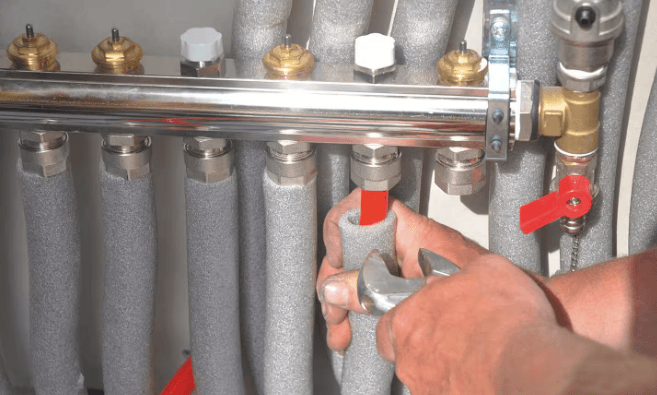
Exposed water lines are vulnerable to freezing when they run through uninsulated or poorly conditioned spaces; effective protection combines targeted insulation with strategic routing.
The text outlines insulation strategies that minimize heat loss and maximize barrier continuity, while documenting piping routing choices that shorten exposure and avoid cold corners.
Together, these measures sustain flow, reduce risk, and support reliable system performance without excess complexity.
See also: The Responsibility of Tech Companies
Prevent Cold Drafts and Ventilations: Heat Retention for Plumbing Areas
Preventing heat loss in plumbing areas requires controlling drafts and ventilation that can carry away warmth from exposed pipes. A structured draft assessment identifies leakage points and cold-bridge risks, enabling targeted sealing and insulation enhancements. Ventilation optimization reduces unnecessary air exchange while preserving access for maintenance. Implementing sealants, coverings, and controlled airflow preserves heat without compromising system reliability.
Step-by-Step Quick-Response Plan for a Freeze Warning
In the event of a freeze warning, a concise, step-by-step quick-response plan enables rapid protection of piping and water systems.
Identify exposed pipes, shutoff exterior valves, and drain outdoor lines.
Implement freeze prevention measures, apply temporary heat sources, and insulate with target pipe insulation.
Monitor thermostats, seal gaps, and restore flow only after conditions stabilize, documenting actions.
Conclusion
Freezing pipes can be prevented with a disciplined, methodical approach: identify vulnerable zones, insulate exposed lines, and minimize heat loss by sealing gaps and routing plumbing away from cold corners. Maintain indoor temperatures above freezing and ensure continuous heat during cold snaps. A practical stat to hook readers: in homes with inadequate insulation, up to 25% of heat loss occurs through the building envelope, underscoring the need for targeted sealing, insulation, and efficient heat management. Regular checks prevent costly bursts.